
Myth:
Over the past 50 years, polar bear numbers have increased from 5,000 to 30,000, so they are not under threat from global warming.
Fact:
Polar bear numbers have indeed increased over the past 50 years, although probably not by as much as the myth suggests. Some estimates put the number at about 5,000 in the 1970s, but others put it as high as 25,000. Today, there are believed to be between 25,000 and 30,000 bears in the Arctic.
Irrespective of the actual numbers, the reason for the increase is that hunting was banned in the 1960s and 70s. This has allowed the creatures to breed up. However, about 70 percent of Arctic sea ice has disappeared over the past 35 years, threatening the bears’ habitat. In some regions they are still doing well, but in others they are under threat. If global warming continues, they could be extinct in the wild by 2100.
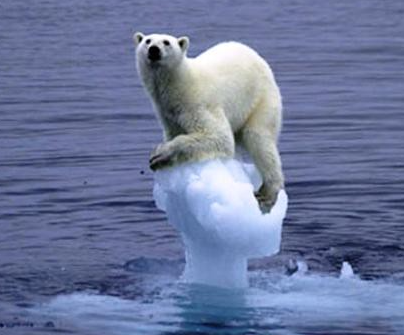
Iconic image of a polar bear clinging to a melting iceberg. [Source: Flickr. Creator: Monado]
Sources:
“Polar bear population,” WWF. https://www.arcticwwf.org/wildlife/polar-bear/polar-bear-population/
“50 Years of Polar Bear Conservation,” Polar Bears International, 21/11/23. https://polarbearsinternational.org/news-media/articles/50-years-of-polar-bear-conservation/
“State of the Polar Bear Report 2023,” The Global Warming Policy Foundation, 27/2/24. https://thegwpf.org/publications/50-years-after-hunting-ban-polar-bears-are-thriving-new-report-shows/